Staying Informed About Regulations
Municipal building codes and permit requirements in Chile evolve over time. Understanding recent changes helps property owners plan construction projects more effectively.
Recent Regulatory Updates
Information about changes to building codes and permit procedures that may affect residential construction in Chile.

Energy Efficiency Standards
Chile has implemented updated thermal insulation requirements for residential buildings. New construction and major renovations must now meet specific standards for wall, roof, and window insulation values. These requirements vary by climate zone across the country. Property owners planning additions or enclosures should discuss these standards with their architect early in the design phase.

Seismic Design Requirements
Following updates to seismic design standards, structural calculations for additions and modifications must incorporate current earthquake resistance criteria. This particularly affects second floor additions, where engineers must verify that existing foundations and structures can safely support additional loads while meeting updated seismic performance requirements.

Digital Submission Systems
Several Chilean municipalities have implemented or are transitioning to digital permit application systems. These platforms change how documents are formatted, submitted, and tracked. While digital systems can streamline the process, they also introduce new technical requirements for file formats, digital signatures, and electronic document certification that applicants must understand.

Historic District Protections
Some municipalities have expanded zones with architectural protection requirements. Properties in these areas face additional review processes for exterior modifications, including balcony enclosures and facade changes. Understanding whether your property falls within a protected zone affects both the permit requirements and realistic project timelines.
Accessibility Requirements
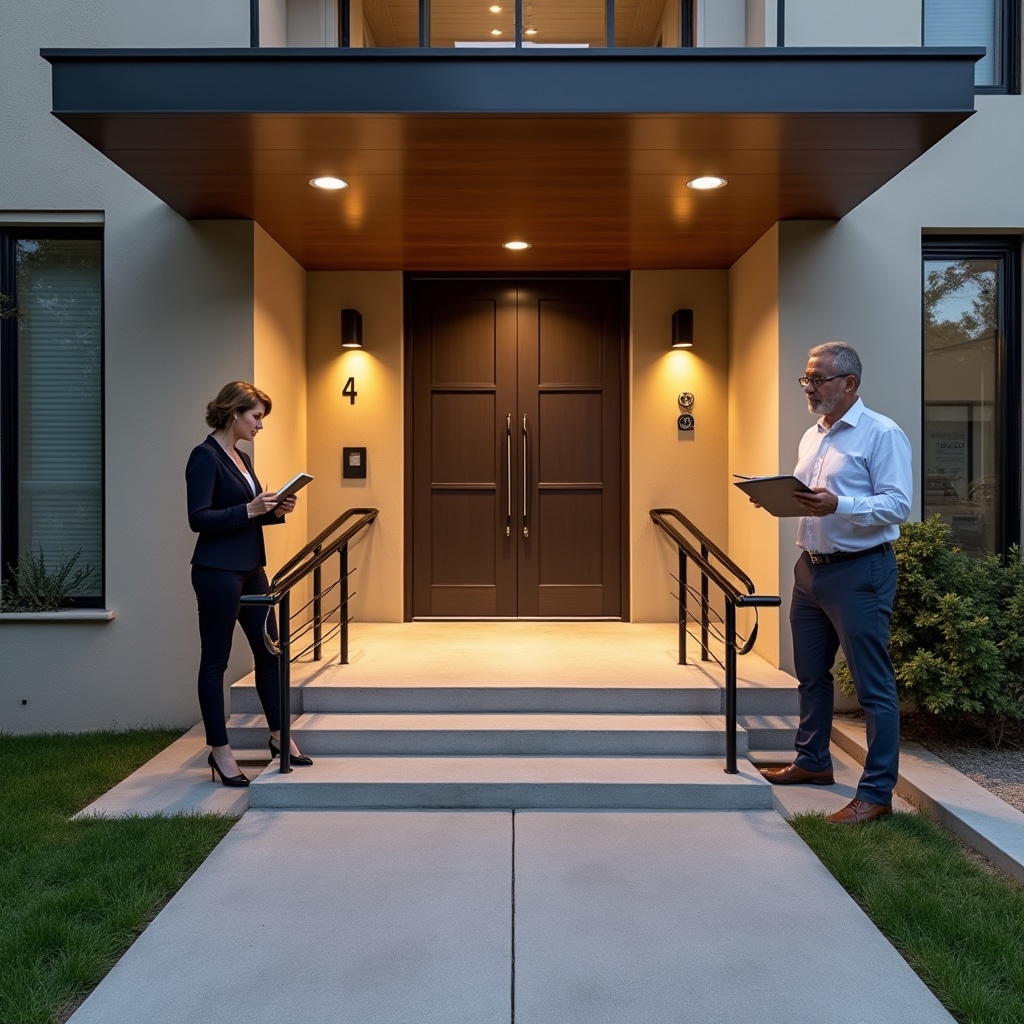
Updated accessibility standards affect certain residential projects, particularly multi-unit buildings and properties undergoing substantial renovations. Requirements may include specific door widths, bathroom configurations, and circulation space dimensions. The applicability of these standards depends on project scope and building type.

Fire Safety Standards
Fire safety requirements for residential buildings have evolved, affecting projects that modify building layouts or add floors. Updated standards address escape routes, fire-resistant materials, and compartmentalization. These requirements vary based on building height, occupancy type, and whether the project involves structural modifications.
Understanding Regulatory Changes
How building code updates affect different aspects of residential construction projects.
Timeline Implications
- New requirements may extend review periods during transition phases
- Municipal staff training on updated codes can temporarily slow processing
- Grandfathering provisions may allow projects to proceed under previous codes if applications were submitted before specific dates
- Understanding which version of regulations applies to your project requires careful timing consideration
Documentation Changes
- Updated standards often require additional technical documentation
- New calculation methods for energy efficiency or structural analysis
- Different certification requirements from professionals
- Modified form formats and submission procedures
Practical Considerations
What regulatory changes mean for property owners planning construction projects.
Early Assessment
Understanding which regulations apply to your specific project location and type helps establish realistic expectations. Requirements vary not just between municipalities but sometimes between different zones within the same municipality. An early assessment identifies applicable standards before design work begins.
Professional Coordination
Updated building codes affect how architects design projects and what engineers must calculate. Ensuring your design team understands current requirements for your specific municipality prevents revision requests during the permit review process. Clear communication about applicable standards from the project's start saves time later.
Compliance Verification
Municipal reviewers check that submitted plans meet current codes. Having documentation prepared with clear demonstration of compliance—showing calculations, specifying materials, and noting how the design addresses each relevant requirement—helps reviewers process applications more efficiently.
Timing Considerations
When regulations change, there's often a transition period. Understanding whether your project falls under previous or updated requirements depends on submission timing. In some cases, applying before a regulation change takes effect may be advantageous; in others, waiting for new procedures to be fully implemented might result in smoother processing.
Questions About Current Requirements?
If you're planning a construction project and want to understand which regulations apply to your specific situation, we can help clarify current requirements.